
A World of Strange Defences
Fantastic Beasts and Where to Find ThemThis flow traces the varied ways magical creatures avoid notice, deter threats, or survive encounters with humans and one another.
increasing Bearing strength in each event
 decreasing
Bearing strength in each eventdecreasingCamouflage and Invisibility
Camouflage and Invisibility
Creatures hide themselves
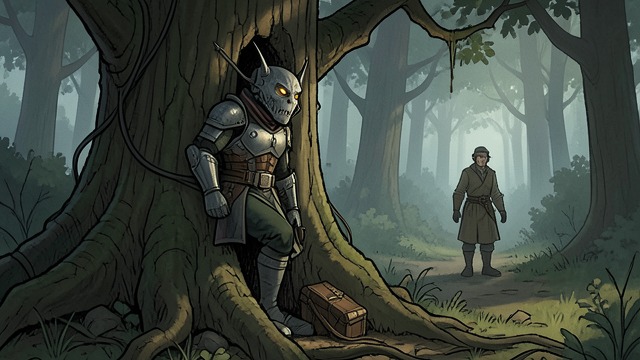
The Tebo, Demiguise, and Bowtruckle possess effective means of avoiding Muggle notice. Their natural abilities spare the Ministry from having to intervene on their behalf.
Concealment without policy
Invisibility and resemblance to a tree are not administrative inventions. These creatures’ own traits shape how rarely people encounter them.
The account broadens secrecy beyond official action. Magical communities may organize concealment, but some creatures have evolved or developed their own ways to stay unseen.
Shyness as a Shield
Shyness as a Shield
Avoiding contact
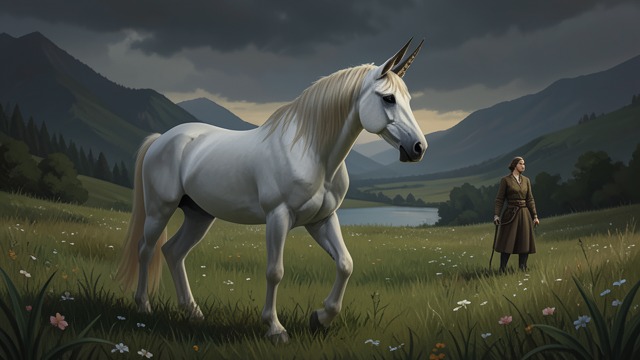
The Unicorn, Mooncalf, and Centaur are described as clever or shy enough to avoid Muggles. Their distance from people becomes a first line of protection.
Space without confrontation
Because these species do not seek ordinary contact, their safety may depend less on active restraint than on preserving room in which they can remain apart.
The pattern gives value to non-interference. A creature need not be forcibly managed if its habitat and natural caution already keep human encounters rare.
Remote Habitats
Remote Habitats
Geography as protection
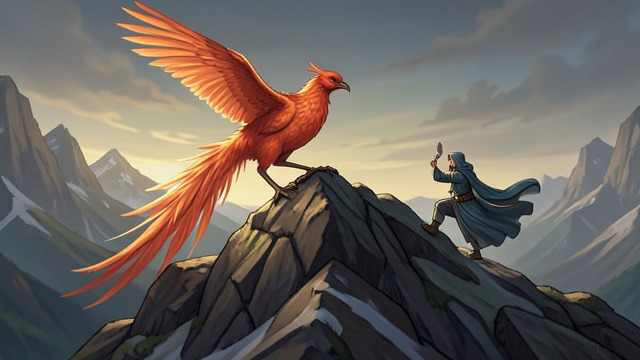
Acromantulas inhabit dense, uncharted jungle, while Phoenixes nest on mountain peaks difficult to reach without magic. Distance protects them from casual discovery.
A fragile barrier
Remoteness lowers the chance of contact but cannot guarantee it. Travellers, hunters, or magical research can still enter places that ordinary Muggles seldom reach.
The entries show that geography can serve as a natural refuge. Preserving that refuge requires restraint as well as knowledge of where creatures live.
Small Creatures in Plain Sight
Small Creatures in Plain Sight
Hard to notice
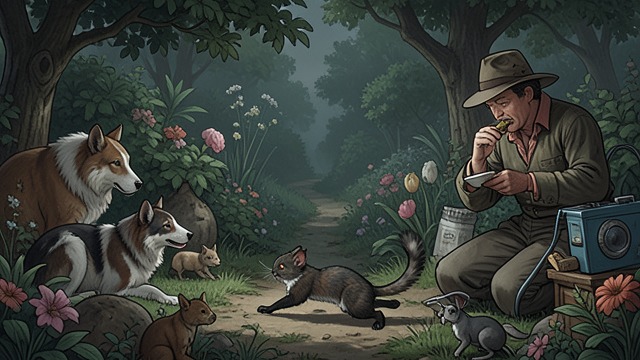
Chizpurfles, Billywigs, and Crups can escape Muggle attention because they are small, fast, or capable of passing as mundane animals. Their concealment comes through scale and resemblance rather than remoteness.
New risks in familiar places
A creature may remain unnoticed even when it enters a home or garden. Chizpurfles can attack magical objects, while a Crup may look ordinary until its tail gives it away.
Smallness does not mean harmlessness. The book connects invisibility in daily life with the need for readers to know what may be living close by.
Managed Concealment
Managed Concealment
Human assistance
For creatures that remain conspicuous, authorities use safe habitats, protective charms, trade controls, and owner obligations. No single method addresses every species or every kind of exposure.
Intervention after failure
Memory Charms and the Office of Misinformation respond when Muggles have already seen too much. Their involvement makes clear that concealment often requires repair as well as prevention.
The sequence joins natural defences to official systems. Magical creatures may hide themselves, but community safety depends on coordinated human responsibility when they cannot.
when concealment strategies are introduced
when naturally elusive species are described
when inaccessible species are discussed
when tiny and fast species are described
when Ministry interventions are summarized
